
Innovating Lead Generation, Serving Businesses & Marketers Worldwide


Studying for AP exams doesn’t have to feel overwhelming. The key is creating a workflow that’s structured but simple—something that keeps you accountable without adding stress.
Online forms are perfect for this. They let you track goals, measure progress, and spot weak areas automatically. You don’t need fancy software or paid apps—just a few smartly designed forms and the habit of checking in every day.
Here’s how to build a lightweight, low-stress AP prep system that actually works.
Before you can plan your study routine, you need to know where you stand. Create a quick baseline diagnostic form. List all the AP units for your subject—say, U.S. History, Biology, or Calculus—and rate your comfort level with each one from 1 to 5.
You can take this self-assessment weekly or monthly to see how your confidence and scores change. Pair it with a short multiple-choice quiz from past AP exams or a free test bank online. The goal isn’t to ace it—it’s to pinpoint weak areas early. Once you see your patterns, your study time becomes intentional instead of random.
Next, make a weekly goal-planning form. Keep it light and quick—three to five minutes max. You might include:
a. Main focus unit (e.g., Unit 3: Cellular Energetics)
b. Mini goals (review notes, finish quiz, rewrite missed questions)
c. Accountability step (what you’ll check at week’s end)
You can also link your progress to an AP exam platform if you’re using one, so your planner aligns with practice tests or digital assignments.
Use conditional logic to make your planner dynamic. If you mark a topic as “needs review,” a follow-up field could appear asking how you’ll address it—flashcards, a YouTube lecture, or a new problem set. This turns your planner from a to-do list into an adaptive roadmap.

Consistency beats cramming. A short daily form helps you track effort and mindset. Include prompts like:
a. What did I review today?
b. How long did I study?
c. What’s one concept that still confuses me?
Over time, this log gives insight into what’s working. Maybe you study best before dinner or absorb more during shorter sessions. You’ll start to see patterns in your habits and results.
This check-in isn’t about guilt—it’s about awareness. Missing a day or two can reveal where your routine needs adjusting.
Everyone makes mistakes during practice, but most students don’t track them. A mistake log changes that. Every time you miss a question—whether on a practice test or quiz—log it in a form. Write the topic, why you missed it, and what you should’ve done instead.
Then, use the response sheet as a built-in review tool. Once a week, go through your logged mistakes and quiz yourself again using active recall. Cover the answer and explain it out loud. This strengthens memory and helps you spot weak areas.
If your subject involves math or science, you can even integrate calculator forms to double-check your work and identify where your problem-solving steps went wrong. You can also sort mistakes by unit or skill (“data analysis,” “essay structure,” or “graph interpretation”). That makes your review targeted instead of random.
Spaced review means revisiting material at increasing intervals, which cements learning better than last-minute studying. Use your form data to guide this. If your diagnostic shows Unit 2 is weak, review it three days later, then a week later, then two weeks after that.
Combine this with active recall—retrieving information without notes. Instead of rereading, try to answer questions from memory. Tools like flashcards or self-quizzing forms help. When you tie these methods to your online forms, studying becomes measurable and efficient.
If yo Many collections include pre-made guides that sync perfectly with form-based workflows, saving hours of prep time.
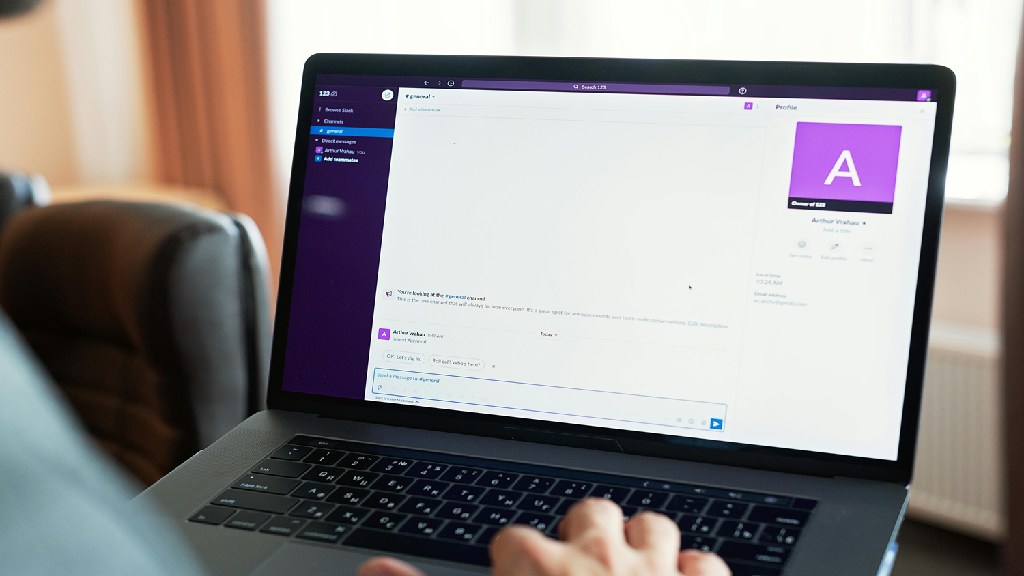
Online forms collect useful data for you. Over time, you’ll see which units you mark as “confusing” most often, when your study streaks dip, or which goals you skip.
You can use charts or filters to track progress by topic or date. These analytics act like a personal coach—they show what’s working and what’s not. If your “low energy” check-ins always fall on Fridays, move heavy review days to midweek.
Your AP prep system doesn’t need to be perfect—just consistent. Think of it as a feedback loop: test, reflect, adjust, repeat. The more you use your forms, the smarter your workflow becomes.
By exam season, you’ll have a personalized map of what to review, how you’ve improved, and where to focus next. With a few well-built forms, your study sessions can finally feel like progress—not guesswork.
By using simple online forms, you can create a personalized, low-stress AP study system. Tracking progress, logging mistakes, and setting weekly goals turns preparation into a measurable, efficient workflow.
Consistency and reflection matter more than cramming. With this approach, you’ll identify weak spots, stay accountable, and build confidence, making AP exam success much more achievable.